1. Role of the Heat Exchanger Tube Sheet in Pressure Equipment
The heat exchanger tube sheet is one of the most critical load-bearing components in a shell and tube heat exchanger. It provides structural support for the tubes while separating shell-side and tube-side fluids. Improper design or welding of the tube sheet can directly lead to leakage, vibration failure, or reduced service life.
In industrial applications such as petrochemical, power generation, and refining, the integrity of the tube to tubesheet joint determines whether the heat exchanger can safely withstand thermal cycling and pressure fluctuations.
2. Types of Tube to Tubesheet Joint Configurations
Several joint designs are commonly used depending on operating conditions:
2.1 Expanded Tube to Tubesheet Joint
An expanded tube to tubesheet joint relies on mechanical expansion to create contact pressure between the tube OD and the tube sheet bore. This method is widely used for low to medium pressure exchangers and often combined with seal welding.
2.2 Tube to Tubesheet Expansion Joint
A tube to tubesheet expansion joint allows controlled deformation to absorb thermal stress. This design improves fatigue resistance, especially when large temperature gradients exist between shell-side and tube-side media.
2.3 Tube to Tubesheet Strength Weld
For high-pressure or hazardous media, a tube to tubesheet strength weld is applied to provide structural load transfer. In such cases, welding is not merely for sealing but becomes a primary strength element.
3. Welding Processes for Tube Sheet Fabrication
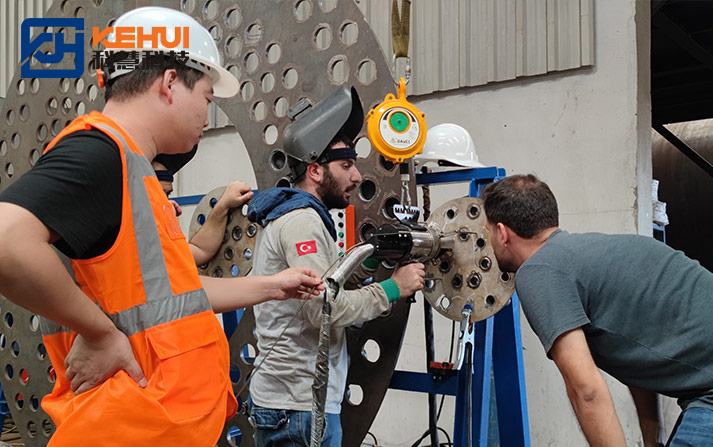
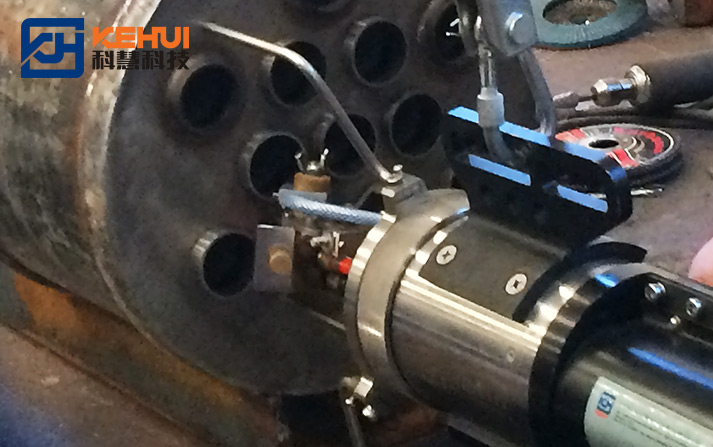
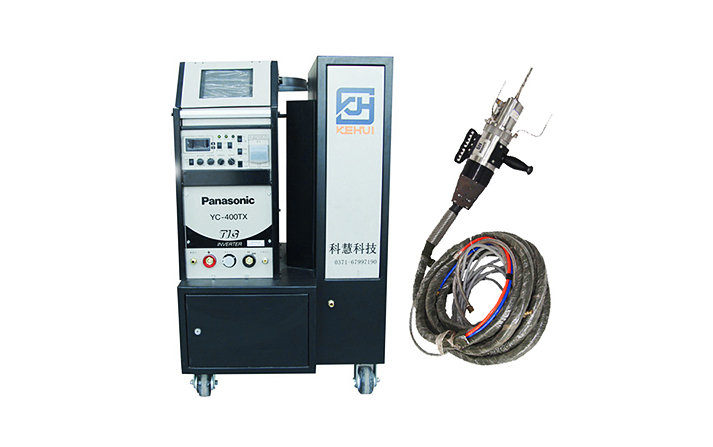
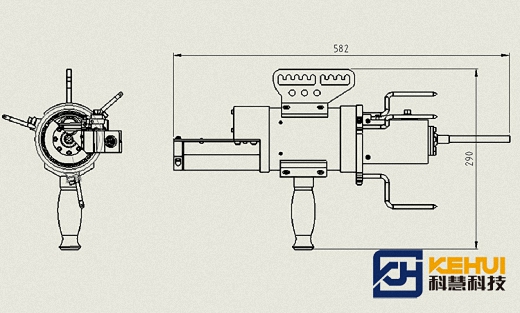
Tube sheet welding typically involves TIG (GTAW) or orbital welding processes to achieve consistent penetration and minimal distortion. Welding parameters must be carefully controlled to avoid defects such as lack of fusion or excessive dilution.
Special attention should be paid to the tube to tube sheet joint geometry, including groove design, root gap, and alignment, which directly affect weld quality.
4. Material Compatibility and Heat Exchanger Sheet Selection
The heat exchanger sheet material must be compatible with both tube materials and service media. Common combinations include carbon steel tube sheets with stainless steel tubes or fully alloyed systems for corrosive environments.
Differences in thermal expansion coefficients should be considered to prevent stress concentration at the welded joints.
5. Inspection and Quality Control of Exchanger Tube Sheet Welding
Non-destructive testing such as dye penetrant testing, helium leak testing, and radiographic inspection are widely applied to verify joint integrity. Proper inspection ensures that the exchanger tube sheet meets code requirements and long-term operational reliability.





 Chinese
 English
 OA
OA Current location:
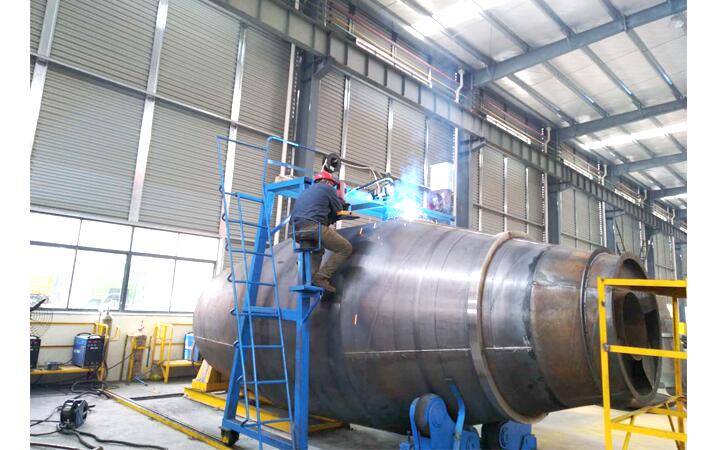 Concrete Mixer Drum Robotic Welding Solutions
 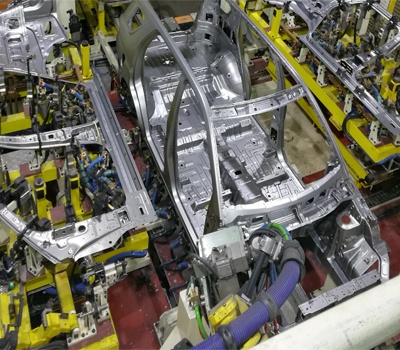 Automobile Body Production Line Welding Fixtures
 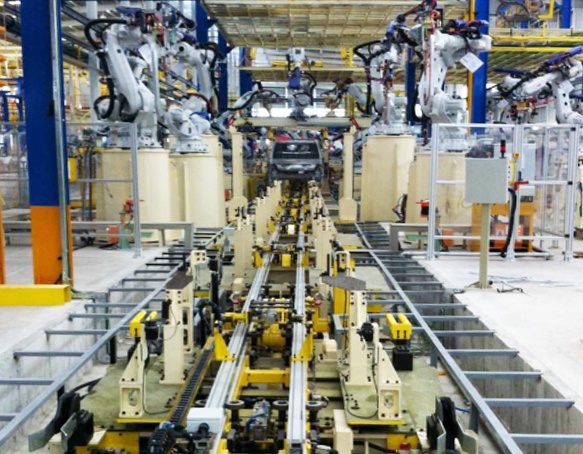 Automotive Body Welding Automated Manufacturing Solutions
 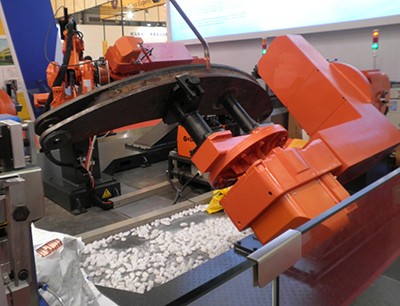 Bulldozer beam and bucket robot welding cobot assembly line
  Suspension parts of semi-trailer fully automated production line